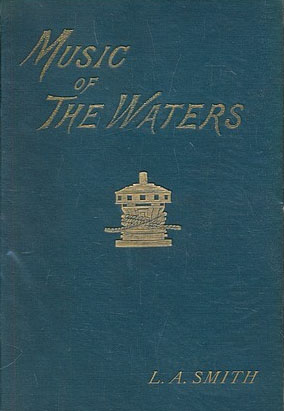
The Music of the Waters
A collection of the sailors chanties or working songs of the sea, of all maritime nations. Boatmen’s, fishermen’s, and rowing songs, and water legends.
Smith (1861–1902) was the daughter of the Russian vice-consul at Newcastle-upon-Tyne, with no nautical experience of her own. She gathered material through consular networks and correspondence with readers of The Shipping World, supplemented by borrowings, often unacknowledged, from earlier published sources. Gibb Schreffler’s Boxing the Compass documents this borrowing in detail and places the book at the start of a long tradition of shanty editors recycling and quietly altering their predecessors. Smith also downplayed the African American influence on the shanty tradition.
The scholarly verdict has been harsh. R.R. Terry, who collected shanties from sailors in the same Northumbrian ports, wrote that “hardly a single shanty is noted down correctly” and described the collection as an indiscriminate heap of genuine working shanties, parlor sea songs, and literary nautical pieces tumbled together without distinction. Stan Hugill found Smith’s versions “too sentimental and ‘shore-ified’ to ring genuine.” The musical transcriptions in particular are considered unreliable.
The book’s genuine strength is its international ambition. No comparable collection of the period attempted to document water-working songs from so many traditions, including Venetian gondoliers, Nile boatmen, Indian rowers, Dutch fishermen, and Scandinavian sailors. For some songs, Smith’s text is also the earliest published record, giving it value as a primary source even where its accuracy is in doubt. It is best read as a document of what a Victorian shore-side collector believed about shanties in 1888, not as evidence of what sailors actually sang.