Cecil Sharp Meets John Short of Watchet
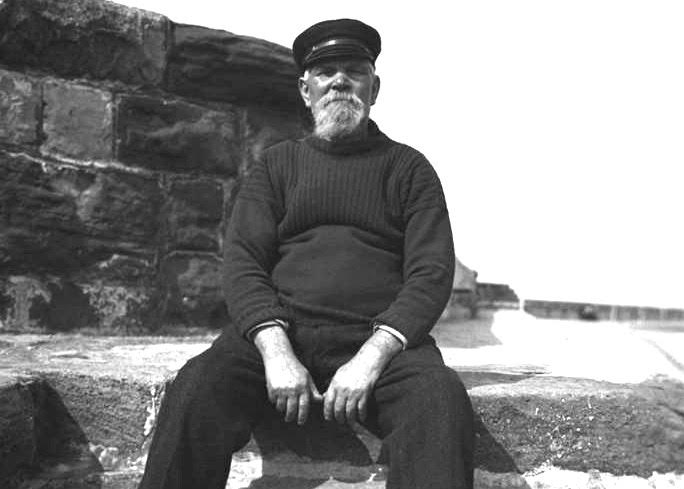
By 1914, Cecil Sharp had spent a decade collecting folk songs from country singers in Somerset, but sea shanties posed a different problem. He admitted as much: “I have no technical or practical knowledge whatever of nautical matters; I have never even heard a chantey sung on board ship.” Steam had all but ended the work the shanties were made for, and the men who had led them were growing old.
That April, Sharp was staying with the Rev. A. A. Brockington, vicar of Carhampton, a few miles west of the little harbor town of Watchet. On April 20, 1914, he called on John Short, a retired sailor of 75 who was serving as Watchet’s town crier. Short had spent more than fifty years in sailing ships, most of them as chanteyman, the soloist who led the crew’s work songs. Among the songs Sharp took down that first day was the pulling shanty The Dead Horse, a version of Poor Old Man. Short sang him more than twenty shanties in three days, and Sharp kept coming back for months, collecting 57 in all. He was struck by Short’s voice, “rich, resonant and powerful, and yet so flexible that he can execute trills, turns and graces with a delicacy and finish that would excite the envy of many a professed vocalist.”
English Folk-Chanteys came out later that year, and 46 of its 60 shanties were Short’s. Sharp never heard some of them from anyone else, including Doodle Let Me Go and Old Billy Riley. Short also explained a line in Whup Jamboree: “Old Dan Lowrie’s,” he said, was a popular playhouse in Paradise Street, Liverpool, “much frequented by sailors.” Many of the shanty tunes sung today come down from Short, and a bronze statue of him has stood on the Watchet waterfront since 2008.