Death of Eber Brock Ward, Great Lakes Shipowner
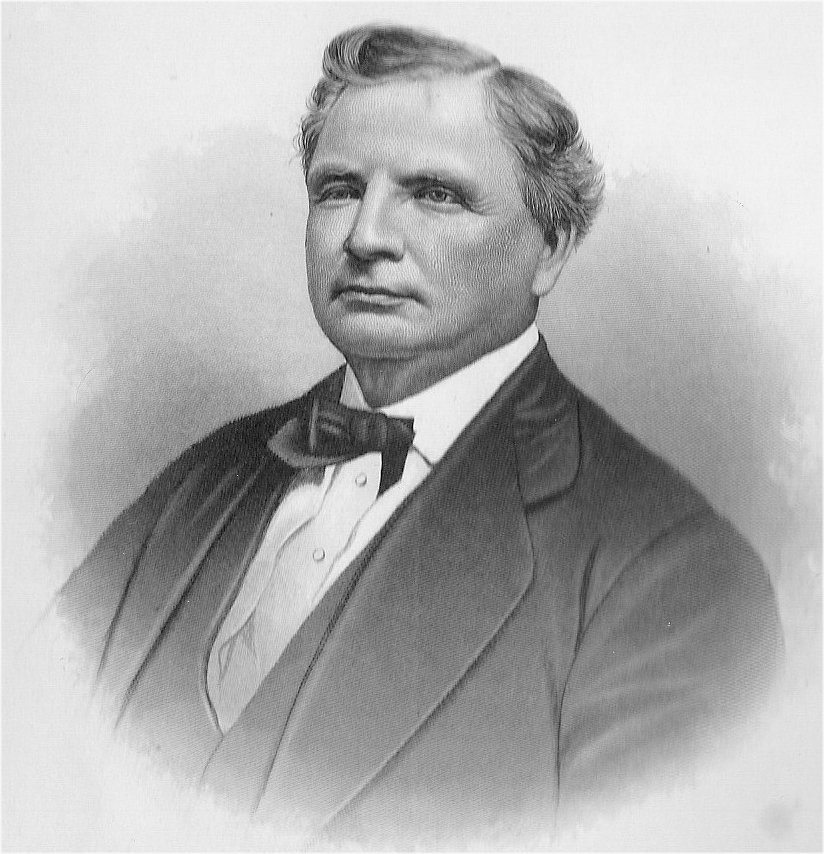
Eber Brock Ward started out as a deckhand on the lake boats of his uncle Samuel Ward, a shipbuilder at Newport (now Marine City), on the St. Clair River in Michigan. He rose to run the family fleet. After copper was found on Lake Superior in the 1840s, his steamers ran a weekly service from Detroit to Sault Ste. Marie, and his side-wheelers kept a regular line between Cleveland and Detroit. Later he put his money into lumber, mines, and iron, and in 1864 his works near Detroit made the first Bessemer steel in the United States. By the 1870s he was called the richest man in Michigan.
Ward was also a fierce opponent of slavery. Grove Heaton, a clerk on one of his Cleveland steamers in the 1850s, called him “a radical on the question of slavery” and remembered him saying that if there was anyone on earth he despised, “it was the person who bought and sold human chattels.” Ward gave orders that freedom seekers brought to the boat at Cleveland should travel free to Detroit, across the Detroit River from Canada. In September 1856 a Kentucky slaveholder followed three escaped men aboard. Ward happened to be on the boat that night. Ten miles below Detroit, he had the steamer anchor in the Canadian channel of the river and sent the men ashore in a small boat, each with a dollar for breakfast. Heaton told the story in a newspaper thirty years later.
On the morning of Saturday, January 2, 1875, Ward, aged 63, collapsed from a stroke while walking on Griswold Street in Detroit. The Detroit Tribune reported that “death followed the loss of consciousness almost instantaneously.” His shipping line, Ward’s Detroit and Lake Superior Line, outlived him. Its steamers kept carrying passengers and freight between Detroit and the copper ports of Lake Superior, and in 1891 the line became the Crescent Transportation Company. In the 1890s the boats took on Black deckhands at Detroit to load copper at Houghton and Hancock, for about fifteen dollars a month, according to a former mate interviewed by the folklorist Ivan Walton. The deckhands’ work song, The Ward Line, names the line’s steamers: “De Ward’s boun’ up, de Moran’s boun’ down, / ‘N’ de John M. Nichol am hawd agroun’.” The Ward is probably the Eber Ward, built in 1888. Most of the song is about the work and the pay: “It’s wo’k all night an’ wo’k all day, / An’ all yo’ get am not half pay.”