Opening of the Suez Canal
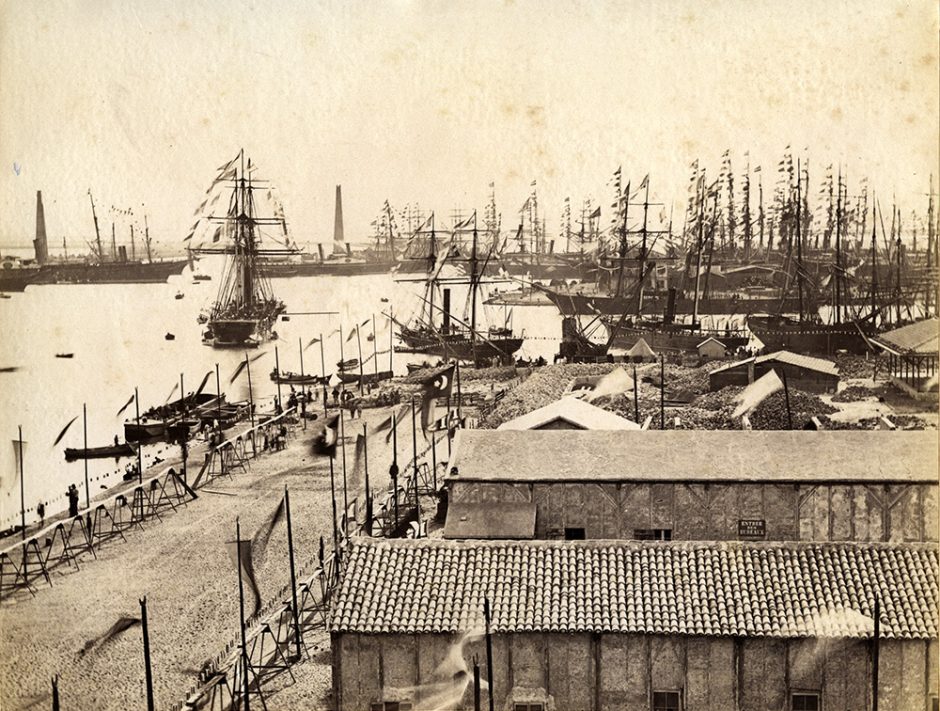
On November 17, 1869, a procession of ships entered the Suez Canal for the first time, led by the French imperial yacht L’Aigle carrying Empress Eugenie. Thousands of dignitaries had gathered at Port Said for days of celebration: fireworks, banquets, boat trips on the Nile. The canal had taken ten years to build, cut through 100 miles of Egyptian desert by tens of thousands of laborers working first with picks and shovels, then with steam-powered dredgers. When it opened, it was only 25 feet deep and 72 feet wide at the bottom, but it was enough to change the world.
The canal cut the voyage from Europe to Asia roughly in half by eliminating the long route around the Cape of Good Hope. But there was a catch: sailing ships could not use it. The Red Sea and the narrow canal itself offered little in the way of reliable wind, making the passage impractical under sail. It was a shortcut built for steamships, and within five years of its opening, steam traffic on Asian routes had nearly tripled. The age of the clipper, already under pressure, was effectively over. Sailing vessels were pushed to the routes that steam had not yet claimed: the long hauls around Cape Horn to the American West Coast, and the grain and wool trades from Australia.
Those remaining deep-water sailing routes are the world that shanties remember. Songs like The Girls Around Cape Horn, Paddy, Lay Back, and Rolling Home belong to the era when rounding the Horn was still the only way, and the hard miles under sail were a fact of working life. Five days after the canal opened, the tea clipper Cutty Sark was launched at Dumbarton, already obsolete for the trade she was built for.