Gold Discovered at Sutter's Mill
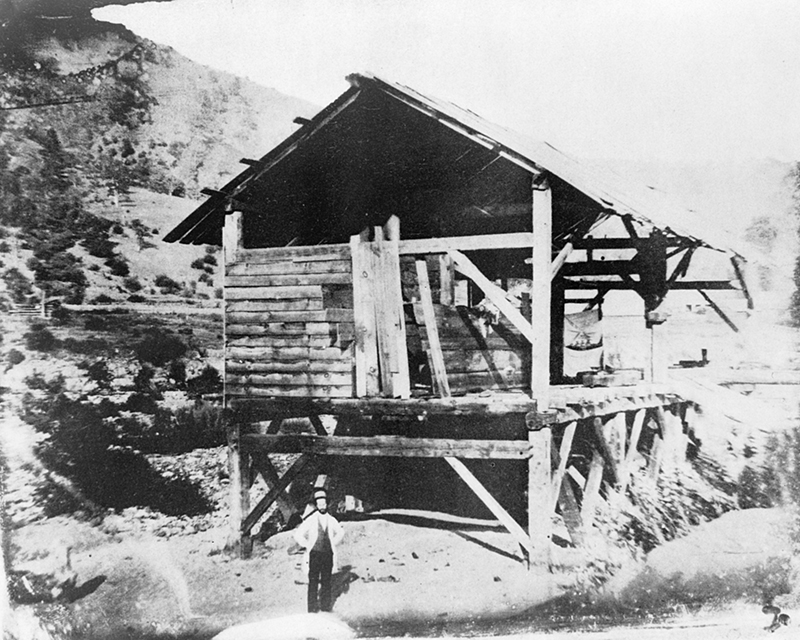
On January 24, 1848, James W. Marshall spotted flakes of gold in the tailrace of a sawmill he was building for John Sutter on the American River in Coloma, California. Sutter tried to keep the discovery quiet, fearing a rush of squatters would overrun his land grant, but word spread quickly. By the end of the year, President Polk confirmed the find in his State of the Union address, and the California Gold Rush was on.
The Forty-Niners who poured into California came by two main routes: overland across the plains, or by sea. The sea route meant either rounding Cape Horn, a grueling five-to-eight-month voyage, or sailing to Panama, crossing the isthmus on foot, and catching another ship north. Tens of thousands chose the ocean, and the rush transformed Pacific shipping almost overnight. San Francisco’s harbor filled with abandoned vessels whose crews had deserted for the goldfields, and the demand for fast passage fueled the golden age of the clipper ship.
The Gold Rush left its mark on the shanty tradition through songs like Banks of the Sacramento, set to the tune of Stephen Foster’s Camptown Races, with its chorus promising “plenty of gold on the banks of the Sacramento.” I Come from Salem City, a parody of Foster’s Oh! Susanna, tells of Forty-Niners rounding Cape Horn for San Francisco Bay, and Paddy Works on the Railway counts through the years of westward expansion that the rush set in motion.